
Start with the system documents and how it is used
The appropriate service interval depends on the equipment, its duty and the environment. A bedroom system used seasonally is different from a shop, office or studio operating for long hours every day. Manufacturer instructions and the installation handover should be the starting point.
Dust, cooking aerosols, pets, nearby traffic, construction activity and continuous operation can all increase the attention a system needs.
Routine user care and servicing are different jobs
Many indoor units have filters that the user can inspect and clean in line with the manufacturer’s instructions. Keeping airflow clear helps day-to-day operation, but it does not replace checks of the wider system.
Do not dismantle equipment or attempt work intended for qualified personnel. Isolate the system where the instructions require it and ask for help if access is unsafe or the condition is unclear.
What a professional service may consider
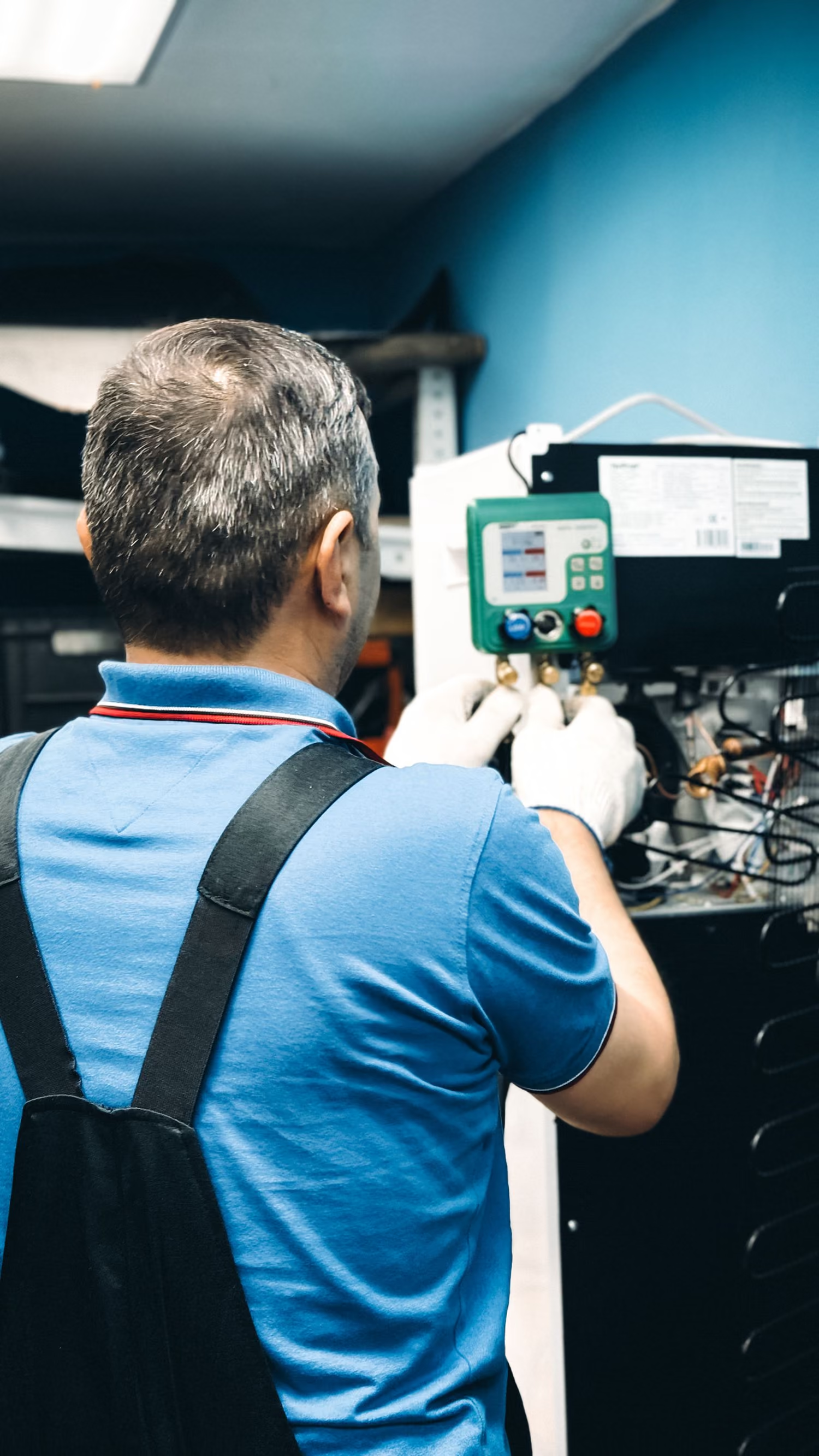
Scope varies by system, but can include the condition and cleanliness of filters and heat exchangers, condensate drainage, operating performance, controls, visible connections, outdoor airflow and reported issues. The work should be appropriate to the equipment rather than a generic wipe of the outer casing.
FLO’s servicing and maintenance page explains how to brief the team about the make, model, symptoms and available service history.
Signs that deserve attention before the next planned visit
Reduced airflow, persistent odours, water where it should not be, unusual noise, repeated error codes or poorer comfort should not be ignored until a calendar date. Describe what has changed, when it occurs and whether the equipment can still operate.
Routine maintenance and fault diagnosis are different scopes. A system that has stopped or is showing a fault may need a diagnostic visit rather than a standard service booking.
Commercial maintenance needs an operational plan
Businesses should consider operating hours, access, responsibility for user checks, record keeping and how a failure would affect the premises. A maintenance plan should fit the organisation rather than relying on one person remembering a filter at an uncertain interval.
For a new workplace project, read the guide to choosing commercial air conditioning so service access and future responsibility are designed in from the beginning.
Keep useful records
Retain model details, commissioning information, warranty terms, service reports and details of any repairs. Good records help the next engineer understand the equipment and can make recurring issues easier to identify.
Share the make and model, installation date if known, last service, current symptoms, error codes and photographs. Explain whether the request is routine maintenance or a fault that is affecting operation.