
Protect airflow
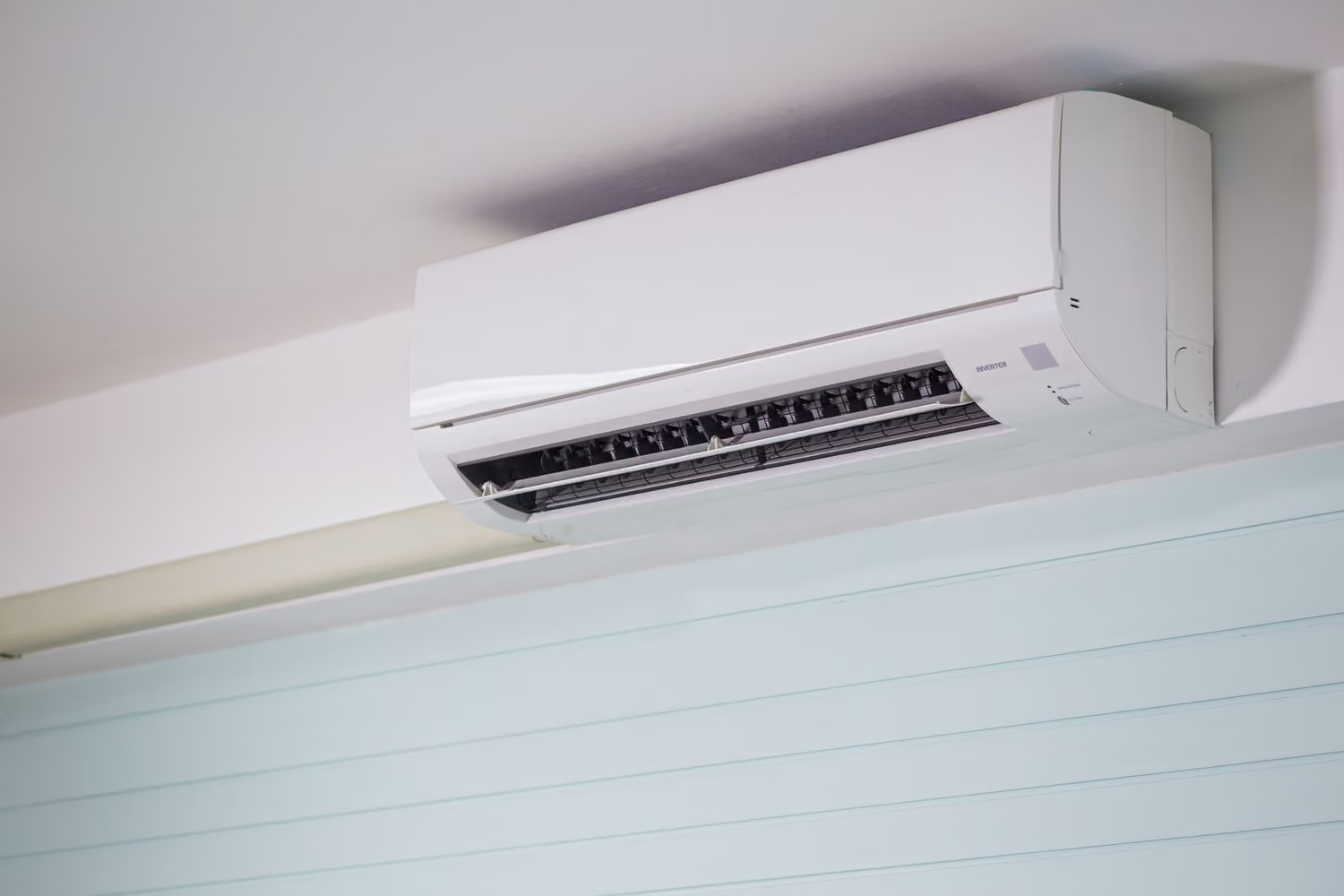
Clean filters and appropriate system checks help air move freely through the indoor unit.
FREE EXPERT GUIDANCENot sure which system or service fits your property?
Need advice first?Request a free assessmentLook after system performance
Practical servicing and maintenance support to keep suitable air-conditioning systems clean, efficient and operating as intended for homes and businesses.
No obligation. Tell us about the property and we’ll confirm the most useful next step.
Independent customer feedback
See public feedback for FLO Renewables Scotland, including air-conditioning and air-to-air installations, before discussing air-conditioning servicing. Ratings and review counts can change as new feedback is published.
Check the current Trustpilot profilePublic review profile for FLO Renewables Scotland, the business behind FLO Air Con.
10 published reviews“Neat, methodical and conscientious.”
Air-to-air system customer · Edinburgh
“Friendly, professional, and left everything spotless.”
Air-conditioning customer · Glasgow
Designed for the property
Filters, heat exchangers, drains and outdoor equipment all affect how an air-conditioning system performs. Routine maintenance helps keep airflow clear, identify developing issues and support efficient operation.
The right maintenance scope depends on the equipment, environment and how heavily the system is used. Commercial systems or units exposed to dust, grease or long operating hours may need more frequent attention than lightly used domestic equipment.
Care beyond the filter
Useful maintenance checks the condition and operation of the indoor and outdoor equipment, while keeping drainage, controls, airflow and access in view. Findings should be explained clearly.
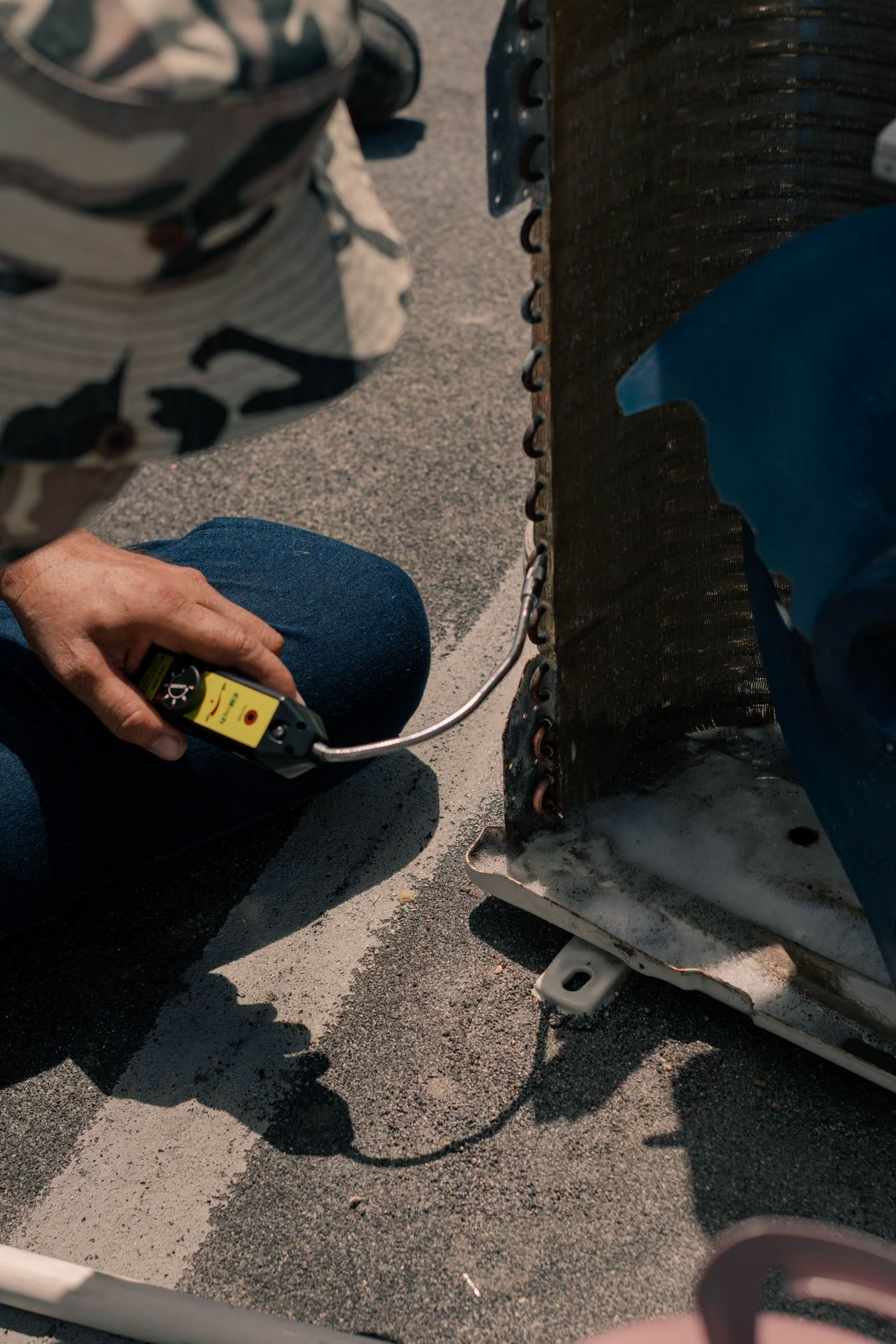
Outdoor equipment needs attention as well as the parts visible inside the property.
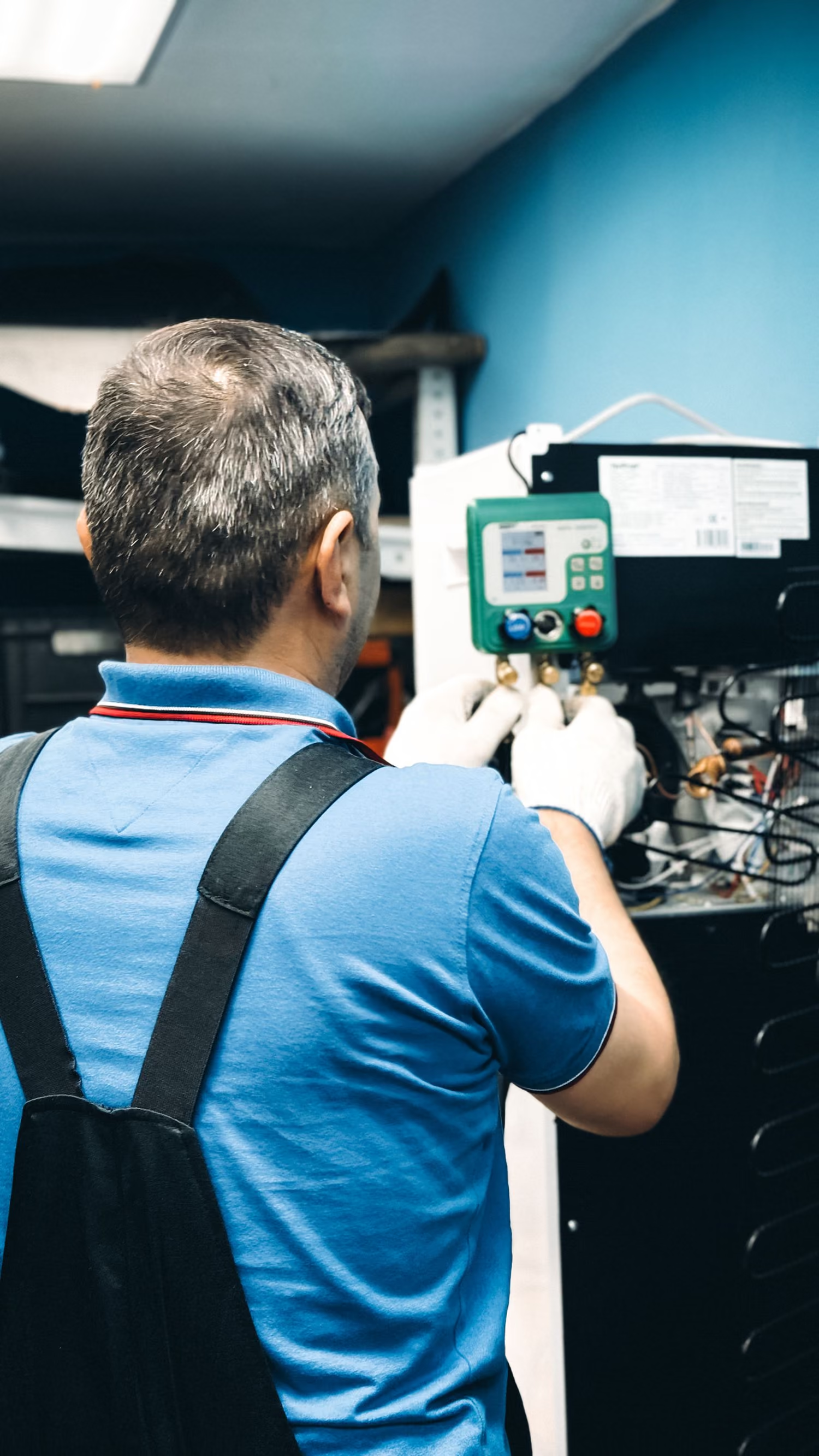
Operation, drainage, airflow and controls all help form a more useful maintenance picture.
What changes for you
Clean filters and appropriate system checks help air move freely through the indoor unit.
Routine inspection can identify leaks, blockages, unusual noise or deterioration before they become more disruptive.
Review settings, controls and practical care so the equipment is not working harder than necessary.
Choose your starting point
We will confirm system suitability, capacity, positioning and practical constraints before recommending equipment.
Periodic care for bedroom, living-space and multi-room systems used for cooling, heating or both.
Planned maintenance around occupied spaces and the way equipment supports day-to-day operations.
A more considered schedule where systems run for long hours or conditions affect filters and coils.
Establish sensible care after handover and keep manufacturer documentation and maintenance records organised.
What determines your proposal
Room size is only one part of air-conditioning design. We look at the building and the way the space is used so the proposal is practical, clear and appropriately sized.
Your route from question to working system
Share the make, model, number of units, installation age and any available service records.
Equipment detailsTell us about airflow, sound, odours, drainage, error codes and whether the system still heats or cools normally.
Symptoms firstRoutine maintenance, fault investigation and remedial work are separated so the intended visit is clear.
No blurred scopeAccessible filters, coils, drains, controls and outdoor equipment are checked against the agreed system scope.
Systematic checksYou receive a clear explanation of condition, user care, any further work and an appropriate maintenance interval.
Useful outcomeHelpful reading
Compare the practical choices that affect comfort, equipment position, installation scope and long-term use before requesting a property-specific answer.
Local service guides
Explore location-specific guidance for this service, including local property context, practical constraints and nearby coverage.
Useful answers
Need advice for your property? Call the team on 0800 043 1188.
The right interval depends on the system, hours of use and environment. Commercial or high-use systems may need more frequent maintenance than lightly used domestic units. Manufacturer guidance and applicable workplace requirements should also be considered.
The scope varies by system, but may include inspection and cleaning of filters and heat exchangers, checking drainage and operating condition, reviewing controls and identifying visible or reported issues.
This may be possible depending on the equipment, documentation, condition and access. Share the make, model and any installation or service records when you enquire.
Routine servicing and fault diagnosis are different scopes. If the system has stopped working or is showing an error, describe the symptoms when you enquire so the team can advise on the appropriate next step.
Many systems have user-cleanable filters, and the manufacturer’s instructions should explain safe routine care. Isolate equipment where required and do not dismantle parts intended for qualified service personnel.
Your next useful step
Tell us about your home or business and we’ll help you understand the right air-conditioning route.